A Simple Peppermint Crochet Dishcloth for Everyday Kitchen Use
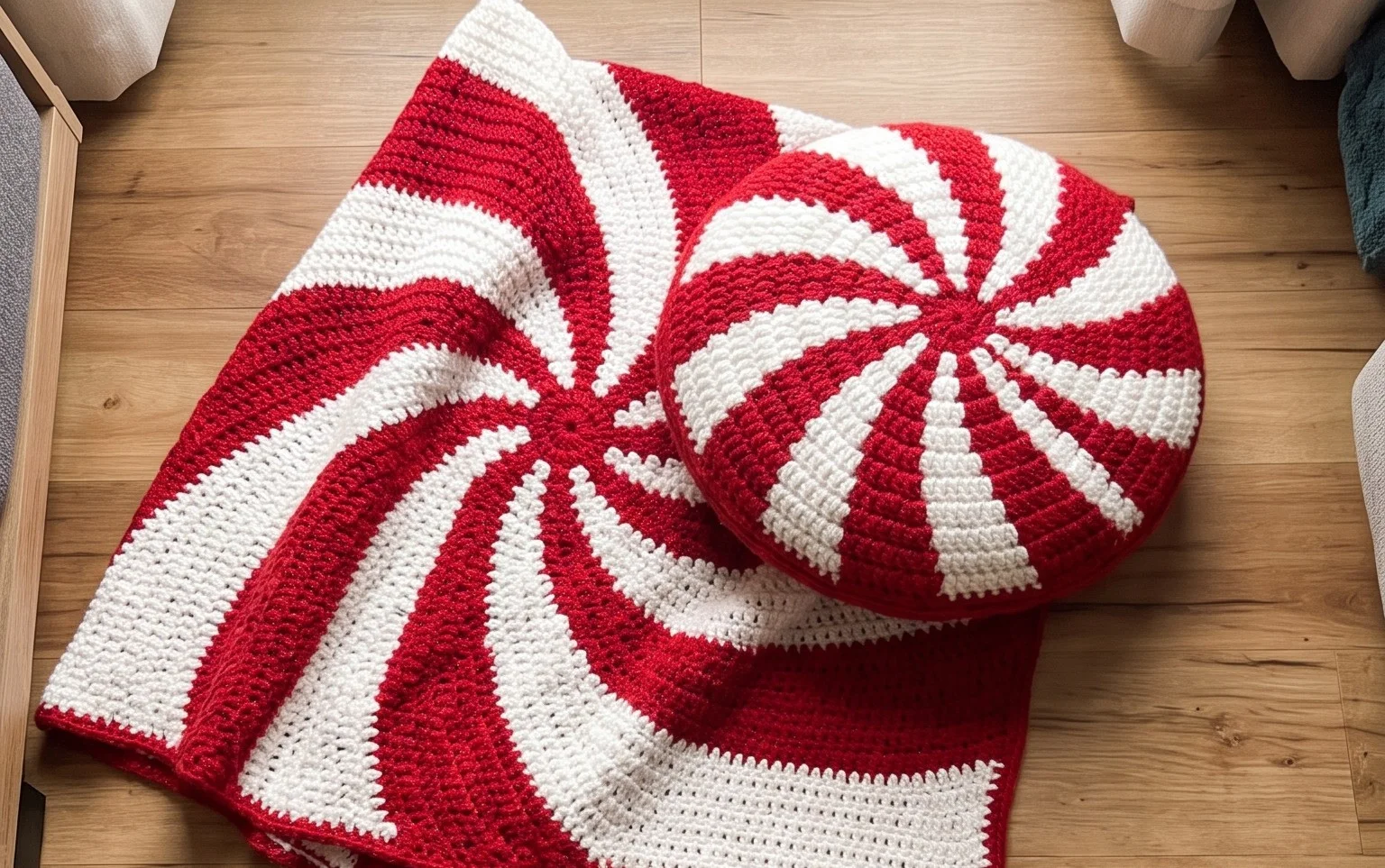
Red and white yarn gives peppermint crochet its familiar candy-stripe look, while cotton or acrylic makes each finished piece comfortable to handle and simple to care for. These cheerful projects can brighten a holiday tree, add a handmade touch to a gift, or bring a little winter color to a table or shelf. Beginners can start with a small, flat motif and practice chains, single crochet, and neat color changes; more experienced makers can use the same palette for ornaments and other seasonal decorations. This collection shares free pattern ideas and practical pointers for choosing yarn, keeping stripes tidy, and shaping a peppermint-inspired design. The repeated stitches make for relaxed crafting, and even a small amount of red and white yarn can go a long way.
Why You’ll Love This Pattern
A firm cotton dishcloth with a simple single-crochet fabric is useful at the sink and easy to work in short sessions. This version is a square worked in rows, so there are no corners to shape or rounds to join. The repeated rows make it a practical first project for learning to keep an even edge and count stitches.
One cloth uses about 110 yards of worsted-weight cotton, which makes it a good project for a leftover ball as long as you have enough yarn. Cotton is absorbent and holds up to regular washing. A finished cloth also makes a useful handmade gift when paired with a bar of soap or a kitchen towel.
The rows were easy to follow, and the cotton made a sturdy cloth that I use every day.
— Mara, pattern tester
Pattern Overview & Skill Level
- Skill Level: Beginner. You need to chain and make single crochet stitches.
- Approximate Time: 2–3 hours, depending on your pace and how often you stop to check your stitch count.
- Construction: The cloth is worked flat in rows from the bottom edge upward. Each row has 30 stitches, with a turning chain that does not count as a stitch.
- Finished Dimensions & Sizing: About 7.5 × 7.5 inches (19 × 19 cm) after washing and drying flat. The exact size depends on your yarn, hook, and personal tension.
Materials & Supplies Needed
- Yarn: About 110 yards (100 m) of worsted-weight (#4) 100% cotton yarn in one color. Choose a smooth, tightly spun cotton that can be machine washed. Avoid delicate or loosely spun yarn for a cloth that will see frequent use.
- Hook: 5.0 mm / H-8 crochet hook. If your fabric feels stiff, try a 5.5 mm / I-9 hook; if it feels loose and floppy, try a 4.5 mm / 7 hook. Changing hook size also changes the finished dimensions.
- Notions: Tapestry needle for weaving in the yarn ends, scissors, and a ruler or measuring tape. A removable stitch marker is optional for marking the first stitch of a row.
- Substitutions: Worsted-weight cotton in a different brand is suitable, but check the ball band for washing instructions and allow extra yarn if the substitute is thicker or has a different yardage. A cotton-linen blend can make a cloth with a slightly different drape. Acrylic is less absorbent than cotton, so it is not the closest substitute for a dishcloth.
Check your tension before beginning if matching the stated size matters. A 4-inch (10 cm) square in single crochet should measure about 16 stitches and 16 rows. The cloth remains useful if your gauge differs, but the final size and yarn use will change.
Stitch Guide & Abbreviations (US Terms)
- ch: Chain. Yarn over and pull through the loop on the hook.
- sc: Single crochet. Insert the hook into the stitch, yarn over and pull up a loop, then yarn over and pull through both loops on the hook.
- st(s): Stitch(es).
- turn: Rotate the work so you can crochet back across the previous row.
- Special note: The turning chain at the start of each row does not count as a stitch. Work the first single crochet into the first stitch of the row, not into the turning chain.
Step-by-Step Pattern Instructions
Dishcloth
Use the same hook throughout. The turning chain is included in the instructions but never included in the stitch count. Count the stitches across each row; there should be 30 every time.
- Foundation: Ch 31. The extra chain provides the turning space for Row 1.
- Row 1: Sc in the second ch from the hook and in each ch across. Turn. (30 sts)
- Row 2: Ch 1, sc in each st across. Turn. (30 sts)
- Rows 3–10: Repeat Row 2 eight times. Turn after each row. (30 sts per row)
- Rows 11–20: Repeat Row 2 ten times. Turn after each row. (30 sts per row)
- Rows 21–30: Repeat Row 2 ten times. Do not turn after the final row. (30 sts per row)
Finishing
Cut the yarn, leaving a tail long enough to weave in, and pull the tail through the final loop to fasten off. Thread the tail onto a tapestry needle. Weave it through several stitches on the wrong side, change direction, and weave through a few more stitches so it stays secure. Repeat with the foundation tail. Trim the ends close without cutting into the cloth.
Measure the cloth before washing. If it is noticeably narrower or wider than 7.5 inches, check that each row has 30 stitches and that your single crochet tension is consistent. Wash and dry it according to the care instructions below, then lay it flat and smooth the edges into a square.
Care & Washing Instructions
- Wash cotton in cool or warm water, up to 40°C (104°F), with similar colors; follow the yarn label if it gives a lower temperature.
- Dry flat for the neatest shape, or tumble dry on low only if the yarn label permits it.
- While damp, reshape the cloth by easing the edges into a square; blocking is usually unnecessary for a practical dishcloth.
Pro Tips & Common Mistakes to Avoid
- Keep your tension relaxed enough that the hook moves through each stitch without forcing it. Very tight single crochet can make the cloth stiff and smaller than the stated size.
- Count all 30 stitches at the end of every row, especially near the edges. It is easy to skip the first stitch after turning or accidentally crochet into the turning chain.
- Weave each end through the back of several stitches, then change direction. A short end worked through only one row can loosen during repeated washing.
- To make a larger cloth, add chains to the foundation and work the same number of single crochet stitches across each row. For a square, continue until the height is close to the width. A wider or taller cloth uses more yarn; keep at least 110 yards on hand for the original size.
Frequently Asked Questions
Can I use a different yarn weight?
Yes, but the cloth will change size and texture. A lighter yarn makes a smaller, finer fabric, while a heavier yarn makes a larger, thicker cloth. Choose a hook that gives you a flexible fabric, and check the yarn label for washing guidance.
How can I make the cloth smaller or larger?
For a narrower cloth, begin with fewer chains and work one single crochet into each chain after the first. For a wider cloth, add chains. Continue rows until the height is close to the width if you want to keep a square shape. Recalculate the yarn needed because larger dimensions use more yarn.
Is this a suitable first crochet project?
Yes. The cloth uses only chains and single crochet, and the stitch count stays the same from row to row. Beginners can place a marker in the first stitch of each row until it is easy to see the row edges.
May I sell dishcloths made from this pattern?
Check the designer’s terms before selling finished items made from a particular pattern. If the pattern has no stated terms, contact the designer rather than assuming commercial use is allowed. Use your own photos and description when listing handmade work.
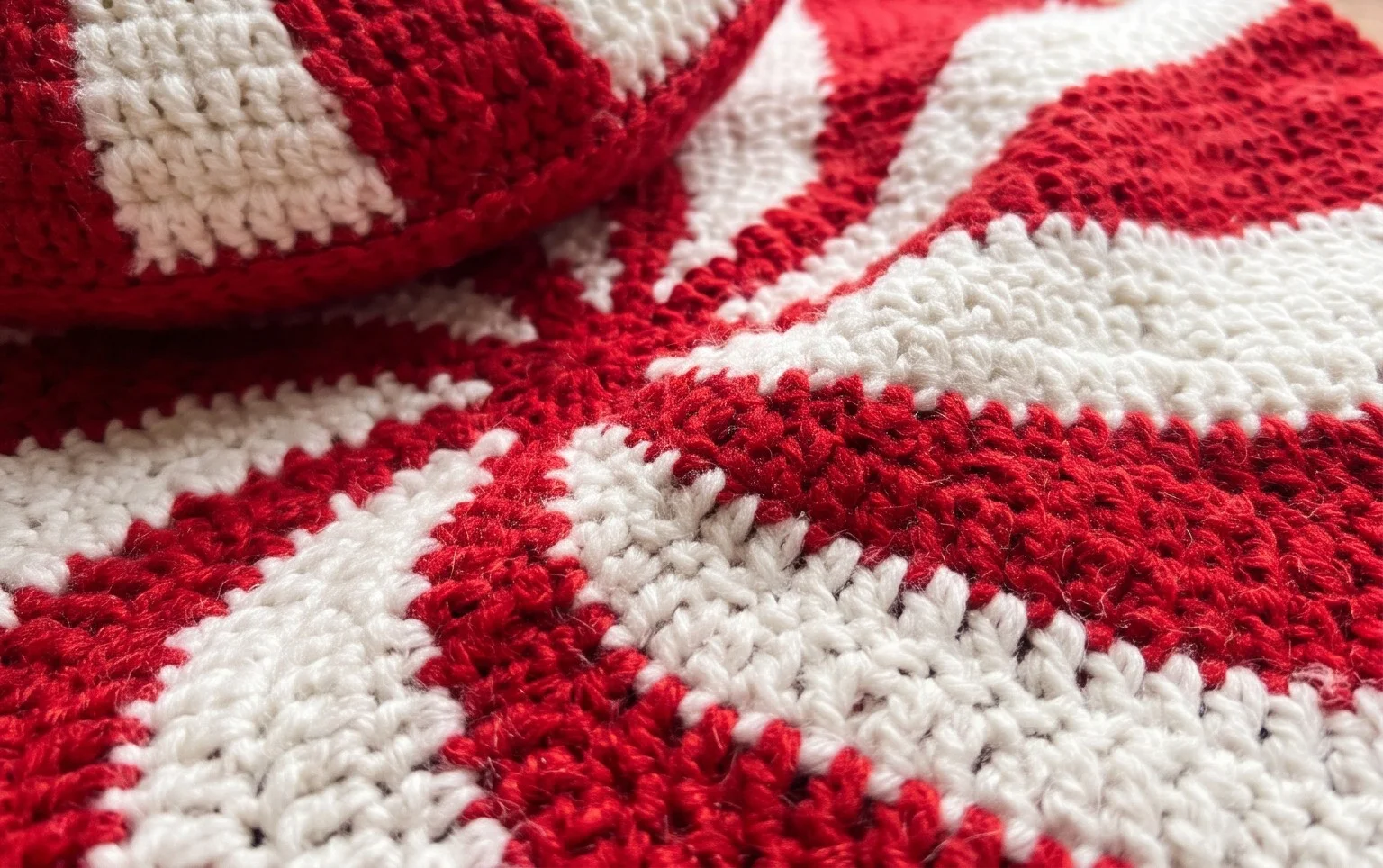
A finished peppermint crochet piece brings crisp red-and-white color and a handmade touch to holiday decorating, gifting, or a cozy winter craft display. For a simple variation, swap the classic white for cream yarn, or make a smaller version with a finer yarn and matching hook. Check your stitch count as you change colors so the edges stay even, and weave in the ends securely before hanging or wrapping your work. If you make one, share a photo on Pinterest or social media so other crocheters can see your color choices. Then browse the blog for more free crochet patterns to keep your hooks busy.