Easy Christmas Crochet Accessories: Free Pattern Ideas
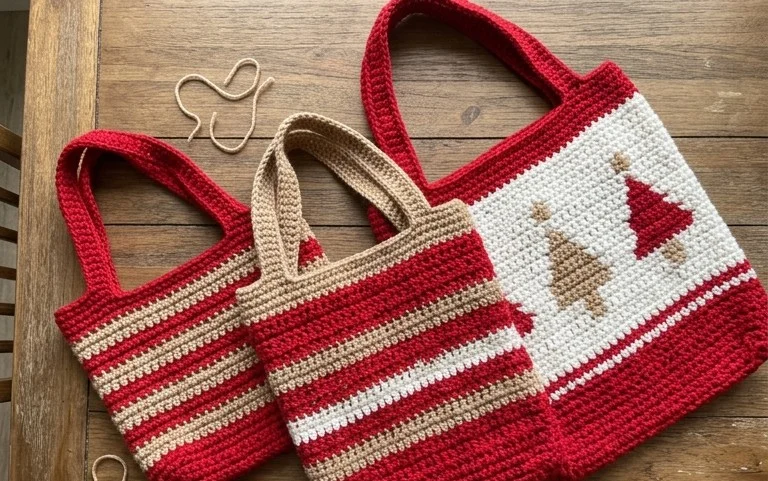
Soft cotton, cheerful holiday colors, and a few steady crochet rows can turn simple yarn into useful Christmas accessories for your home or thoughtful gifts. These projects bring a handmade touch to the season, from small decorations to practical pieces you can bring out each December. Beginners can build confidence with familiar stitches and straightforward shapes, while experienced crocheters can enjoy a relaxing project between busier makes. You’ll find guidance on the stitches and techniques that help keep the edges neat, along with tips for choosing yarn and adjusting the finished size. A little evening crochet can leave you with something festive to use, wrap, or share.
Why You’ll Love This Pattern
This beginner-friendly crochet dishcloth uses a single crochet stitch and sturdy cotton yarn. Its simple rectangle gives you room to practice even tension and count stitches without managing shaping or color changes. The fabric is thick enough for everyday kitchen use, and the small size makes it a practical project for a quiet evening or a first try with a new hook.
The pattern is also easy to pause and resume: place a marker at the start of each row, and the straight edges make it simple to spot missed or extra stitches. Cotton scraps can work if you have enough yardage, though using one yarn throughout helps the cloth wear and wash evenly.
I made this cloth over two evenings, and the straight rows helped me keep my stitches even. It washed well and has become my usual choice for wiping the counter.
— Maya, beginner crocheter
Pattern Overview & Skill Level
- Skill Level: Beginner. You need to make a foundation chain and single crochet rows.
- Approximate Time: About 2–3 hours, depending on your pace and how often you stop to check your edges.
- Construction: Crochet a flat rectangle in rows, then weave in the starting and ending tails. The pattern does not require a border or seaming.
- Finished Dimensions & Sizing: About 8 × 8 inches (20 × 20 cm) with the suggested yarn and hook. Cotton tension varies, so use the gauge as a guide rather than stretching the finished cloth to fit.
Materials & Supplies Needed
- Yarn: About 75 yards (69 m) of medium-weight cotton yarn, also called Worsted #4. Choose one color, or use a small amount of a second color for a contrasting final row. Cotton absorbs water and handles repeated washing better than most acrylic yarns.
- Hook: 5.0 mm / H-8 crochet hook. If your stitches are unusually tight, try a 5.5 mm / I-9 hook, but expect a slightly larger, softer cloth.
- Notions: Tapestry needle for weaving in ends, scissors, and a removable stitch marker for identifying the first stitch of each row.
- Substitutions: A similar-weight cotton or cotton blend can replace the suggested yarn. A thinner yarn makes a smaller, lighter cloth and may need a smaller hook; a thicker yarn makes a larger, denser cloth and uses more yardage. Avoid fuzzy yarn because it can make stitch tops harder to see and the cloth less useful for wiping.
For a quick gauge check, crochet a small swatch in single crochet. Aim for about 16 stitches and 18 rows over 4 inches (10 cm), measured without pulling the fabric taut. The finished dimensions can differ if your gauge does not match.
Stitch Guide & Abbreviations (US Terms)
- ch: Chain. Yarn over and pull through the loop on the hook.
- sc: Single crochet. Insert the hook into the indicated stitch, yarn over and pull up a loop, yarn over again and pull through both loops on the hook.
- st(s): Stitch or stitches.
- rep: Repeat the stated instruction.
- turn: Rotate the work to begin crocheting across the opposite side.
The turning chain at the start of a row does not count as a stitch in this pattern. Work the first single crochet into the first stitch, directly below the chain, and place the final stitch into the last stitch of the previous row.
Step-by-Step Pattern Instructions
Dishcloth
- Foundation: Ch 31. Keep the chain relaxed; a tight starting chain can make the lower edge narrower than the rest of the cloth. (30 foundation chains)
- Row 1: Sc in the second ch from the hook and in each ch across. Turn. (30 sts)
- Row 2: Ch 1, sc in each st across. Turn. (30 sts)
- Rows 3–30: Rep Row 2. Count each row before turning, especially near the edges. (30 sts each row)
Finishing
After Row 30, cut the yarn, leaving a tail about 6 inches (15 cm) long. Pull the tail through the final loop to secure it. Thread the tail onto a tapestry needle and weave it through several stitches on the wrong side, changing direction once so it is less likely to work loose during washing. Weave in the foundation tail the same way, then trim the ends close without cutting into the fabric.
Lay the cloth flat and smooth the edges by hand. If it measures a little over or under 8 inches, that is fine for a working dishcloth; avoid tugging hard to force it to a particular size. Wash it before first use to remove any handling residue and let the cotton settle into its final shape.
Care & Washing Instructions
- Wash cotton in cool or warm water, up to 40°C (104°F), with similar colors; check the yarn label if you used a blend.
- Dry flat when possible, or tumble dry on low if the yarn label permits it; high heat can shrink cotton.
- Reshape the damp cloth by smoothing its edges flat. Blocking is optional, and pinning is usually unnecessary for this practical item.
Pro Tips & Common Mistakes to Avoid
- Keep tension steady: Let the yarn slide comfortably through your fingers. If the foundation edge is tight, remake it with a slightly larger hook rather than pulling the following rows wider.
- Count the stitches: Place a marker in the first stitch of each row and count all 30 stitches before turning. Missing the first stitch can make the cloth narrower a little at a time.
- Hide ends securely: Weave each yarn tail through the backs of several stitches, then change direction. A tail woven through only one row may loosen after repeated washing.
- Adjust size with care: To make the cloth wider, add chains to the foundation, keeping the total chain count one more than the desired stitch count. Add rows for extra length. Both changes increase yarn use; a cloth about 10 × 10 inches will need roughly 25% more yarn than this version.
Frequently Asked Questions
Can I use acrylic yarn instead of cotton?
You can, but acrylic generally absorbs less water and may not work as well for wiping up spills. A cotton blend is a closer substitute. Check the care label before washing, since blends may need cooler water or a different drying method.
How can I make the dishcloth smaller or larger?
Change the foundation chain to alter the width, then work more or fewer rows to alter the length. Keep one fewer stitch than the number of chains because the first single crochet goes into the second chain from the hook. Larger dimensions require more yarn.
Is this pattern suitable for a first crochet project?
Yes. It uses only chains and single crochet, with no increases, decreases, joining, or special finishing. The main challenge is keeping 30 stitches in every row, so use a marker at the row edge and count before turning.
May I sell dishcloths made from this pattern?
Check the designer’s terms before selling finished items, and follow any restrictions stated there. If you sell your work, describe the yarn and care instructions accurately and do not present the pattern itself as your own.
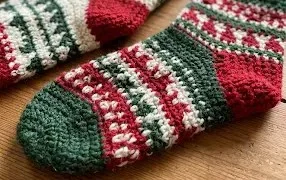
There’s a special pleasure in setting out a Christmas accessory you made yourself, with its familiar stitches and soft, handmade texture. For a simple variation, swap the suggested shade for red, green, or a quieter winter color, or adjust the size by adding or removing rows. Take a photo of your finished piece beside your holiday decorations and share it on Pinterest or social media so other crocheters can see your work. If you enjoyed this project, explore more free crochet patterns on the blog for seasonal gifts, home accents, and small makes to fit into a spare evening.