Easy Crochet Dishcloth Free Pattern for Beginner Makers
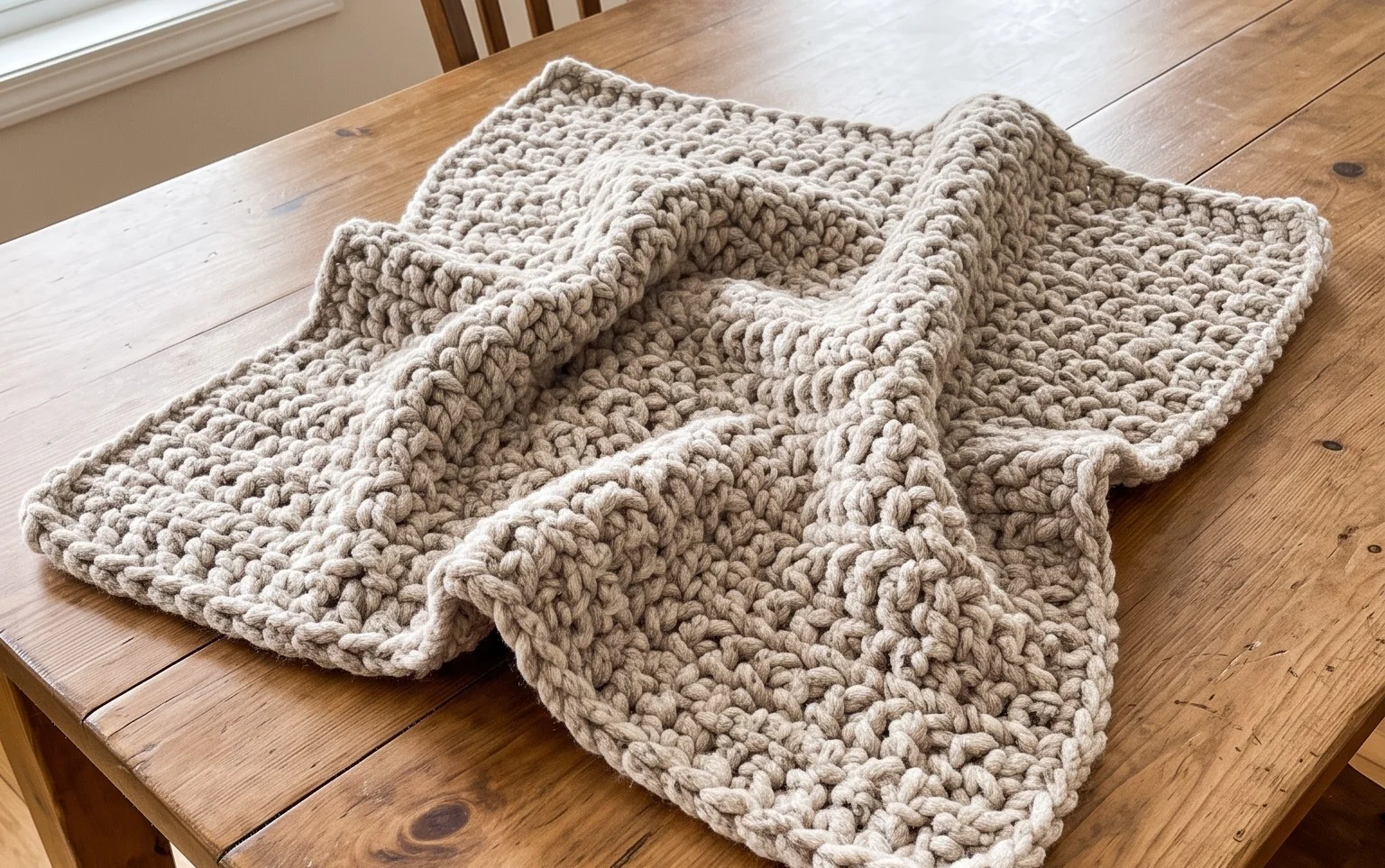
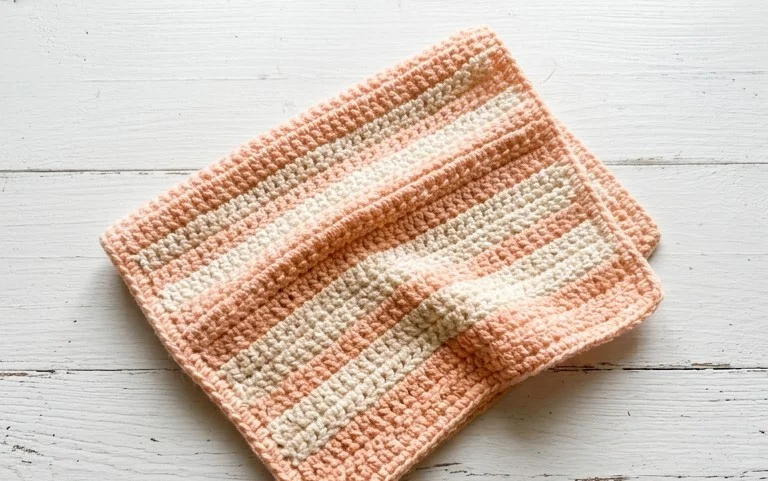
A firm cotton dishcloth with a soft ribbed texture is a useful little project to keep beside the kitchen sink. This square is worked flat in rows with single crochet, and alternating between both loops and the back loop gives the fabric a bit more body without adding a complicated stitch. It measures about 7.5 inches square, so it feels comfortable in your hand and dries flat between uses. Beginners can practice keeping their edges straight, while more experienced crocheters can enjoy a relaxing project that uses only a small amount of worsted cotton. It also makes a thoughtful handmade gift for a new home or a friend who enjoys practical touches around the house. The pattern walks you through the stitch rhythm, gauge, and finishing so you can make a neat cloth with a consistent shape and texture.
Why You’ll Love This Pattern
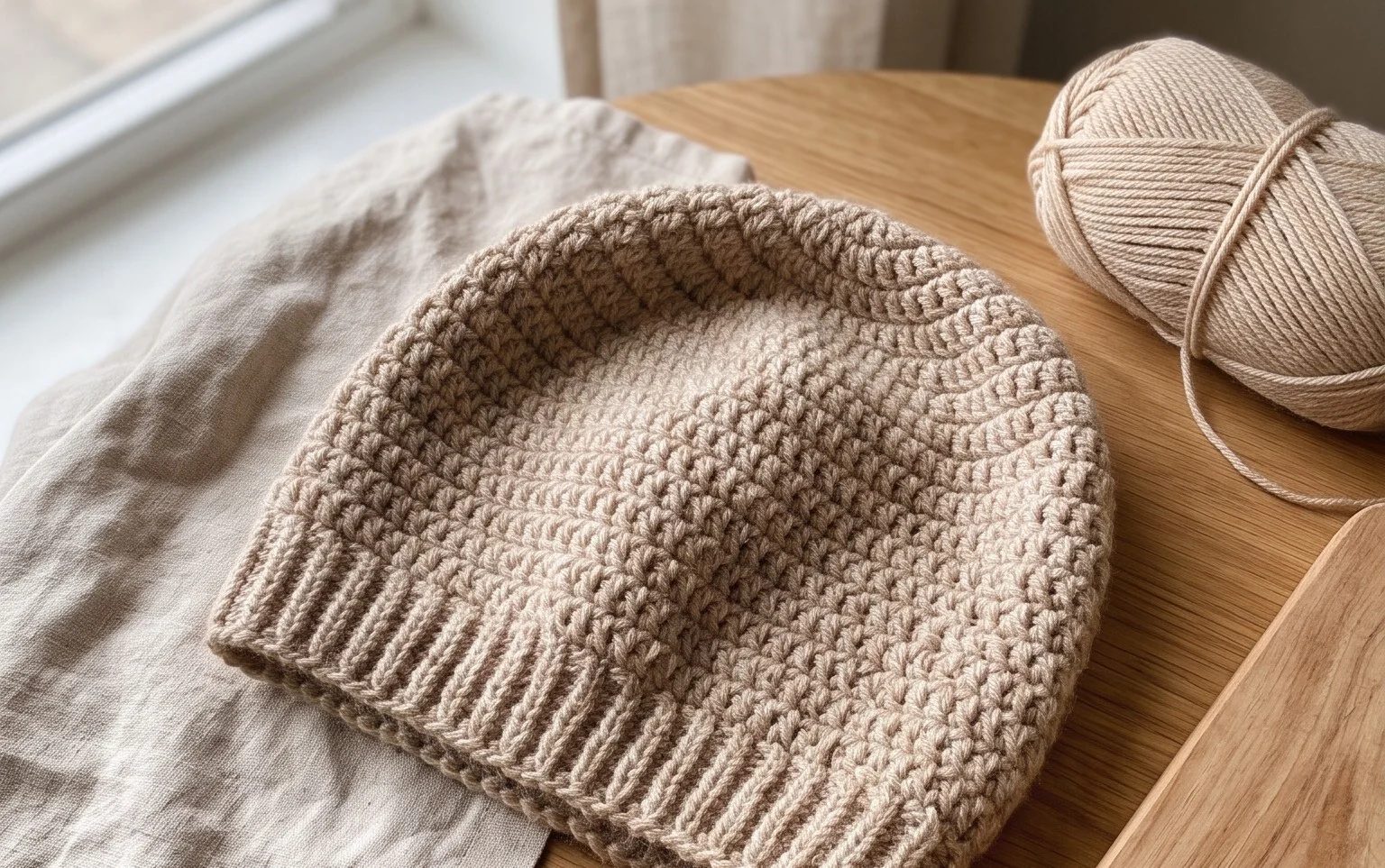
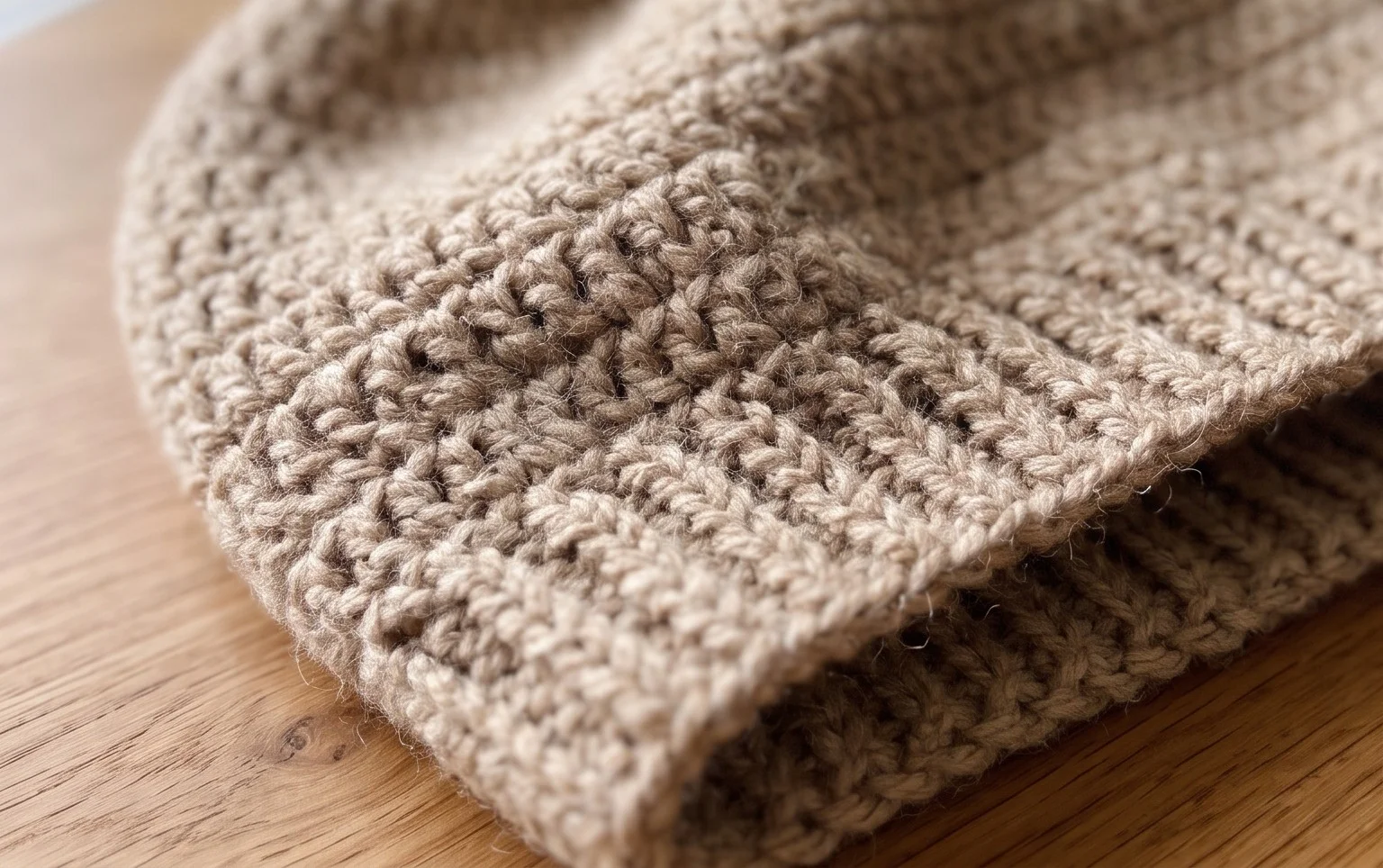
A firm cotton fabric and simple single crochet stitches make this dishcloth useful for everyday washing and easy to keep clean. The pattern is worked flat in rows, so you do not need to join rounds or shape corners. Alternating between working into both loops and the back loop adds a subtle ribbed texture that helps the cloth feel substantial in the hand.
- The stitch pattern uses one basic stitch, with back-loop rows for a little texture.
- A small amount of worsted cotton makes this a practical way to use leftover yarn.
- The square shape is straightforward to measure and makes a useful handmade kitchen gift.
- The rows are short and repetitive, so the cloth is easy to pick up for a few minutes at a time.
The rows were easy to keep track of, and the back-loop texture feels nice when I use the cloth at the sink.
— Mara, illustrative sample maker
Pattern Overview & Skill Level
- Skill Level: Beginner. You will chain, single crochet, turn, and work into the back loop.
- Approximate Time: About 2–3 hours, depending on your pace and tension.
- Construction: The dishcloth is worked flat in rows from the bottom edge to the top. It is not joined in the round.
- Finished Dimensions & Sizing: Approximately 7.5 × 7.5 in (19 × 19 cm), measured after washing and drying flat. The size assumes a gauge of 4 single crochet stitches and 4 rows per inch.
Check your gauge on a small sample in the same alternating stitch pattern before starting. If your sample has more than 4 stitches across 1 inch, try a larger hook. If it has fewer, try a smaller hook. Changing hook size can also affect the finished drape and dimensions.
Materials & Supplies Needed
- Yarn: About 100 yd (91 m) of worsted-weight cotton yarn, weight #4. One solid color makes the ridges easy to see; a small amount of a second color can be used for the final row if desired.
- Hook: 5.0 mm / H-8 crochet hook, or the size needed to meet gauge.
- Notions: Tapestry needle for weaving in the ends, scissors, ruler or tape measure, and a stitch marker to mark the right side if helpful.
- Substitutions: Choose a smooth, washable cotton or cotton blend with a similar worsted thickness. A thinner yarn makes a smaller, lighter cloth; a thicker yarn makes a larger, denser cloth and will use more yarn. Acrylic can be washed, but it is generally less absorbent than cotton. Check the yarn label for care instructions.
Stitch Guide & Abbreviations (US Terms)
- ch = chain.
- sc = single crochet.
- st = stitch.
- sts = stitches.
- BLO = back loop only. Insert the hook under the loop farthest from you at the top of the stitch; leave the front loop unworked. This makes a raised ridge.
For single crochet, insert the hook in the indicated stitch, yarn over and pull up a loop, then yarn over and pull through both loops on the hook. The turning chain in this pattern does not count as a stitch. Work the first stitch of each row into the first stitch itself, not into the turning chain.
Step-by-Step Pattern Instructions
Dishcloth
- Foundation: Ch 31. Keep the chain relaxed so the starting edge does not pull in.
- Row 1: Sc in the second ch from the hook and in each ch across. Turn. (30 sts)
- Row 2: Ch 1, sc in the first st, then sc BLO in each st across. Turn. (30 sts)
- Rows 3–30: Ch 1, sc in the first st, then sc BLO in each st across. Turn. Repeat this row 28 times, keeping the turning chain out of the stitch count. Each row has (30 sts).
- Finish: After Row 30, fasten off, leaving a tail of about 8 in (20 cm). Pull the tail through the last loop. Thread it onto a tapestry needle and weave it through the edge stitches, changing direction once so it stays secure. Weave in the starting tail the same way.
Lay the cloth flat and check that it measures close to 7.5 in on each side. Small differences are normal because cotton relaxes after washing. If the sides curl, gently wet the cloth, press out excess water in a towel, and shape it flat while it dries.
Care & Washing Instructions
- Wash cotton by hand or in a machine on a gentle cycle at about 30°C (86°F); use the yarn label’s instructions if they differ.
- Dry flat to help the square keep its shape and avoid stretching it while wet.
- Reshape the damp edges by hand; lightly pin the cloth flat to block it if the corners have curled.
Pro Tips & Common Mistakes to Avoid
- Keep your tension steady: Make the starting chain a little looser than your usual working stitches. A tight foundation can pull the lower edge narrower than the rest of the cloth.
- Count each row: Check for 30 stitches before turning. Place a marker in the first stitch if you tend to miss it; the turning chain does not replace that stitch.
- Hide ends securely: Weave each yarn tail through the edge stitches, then change direction. Avoid leaving ends loose, since frequent washing can work them free.
- Change the size carefully: Add or remove chains in multiples of 1 to make the cloth wider, and work more or fewer rows to change its length. A larger cloth uses more yarn and takes longer; keep the row count close to the number of stitches for a roughly square shape.
Frequently Asked Questions
Can I use a different yarn fiber?
Yes. Smooth cotton or a cotton blend is a good substitute because it is washable and absorbent. A yarn with a different thickness changes the finished dimensions, and a non-cotton fiber may feel less absorbent or behave differently when wet.
How can I make the dishcloth larger or smaller?
For a wider cloth, begin with more chains; for a narrower one, chain fewer. Work more rows for extra length or fewer rows for a shorter cloth. Keep your stitch count consistent across every row, and expect the yarn amount to change with the finished size.
Is this pattern suitable for a beginner?
Yes, if you are comfortable making chain stitches and single crochet. The main point to watch is the first stitch after each turn. Count 30 stitches on every row, and remember that the turning chain does not count as a stitch.
Can I sell dishcloths made from this pattern?
Check the terms supplied with the pattern and any rules on the marketplace where you plan to sell. If the pattern’s terms allow it, you can sell the finished cloth; do not claim the pattern itself as your own.
There’s something satisfying about finishing a sturdy cotton dishcloth you can put to work at the sink the same day. The alternating single crochet rows make a simple square feel pleasantly textured, and the small amount of yarn makes this a handy project to keep in your rotation. For a personal touch, make the next one in a different color of worsted cotton while keeping the same size and stitch pattern. When yours is finished, share a photo on Pinterest or your favorite social platform; it’s always nice to see the colors other makers choose. If you have another ball of cotton waiting in your stash, explore more free crochet patterns on the blog for your next useful project.