Easy Seamless Dog Sweater: Free Pattern & Video Tutorial
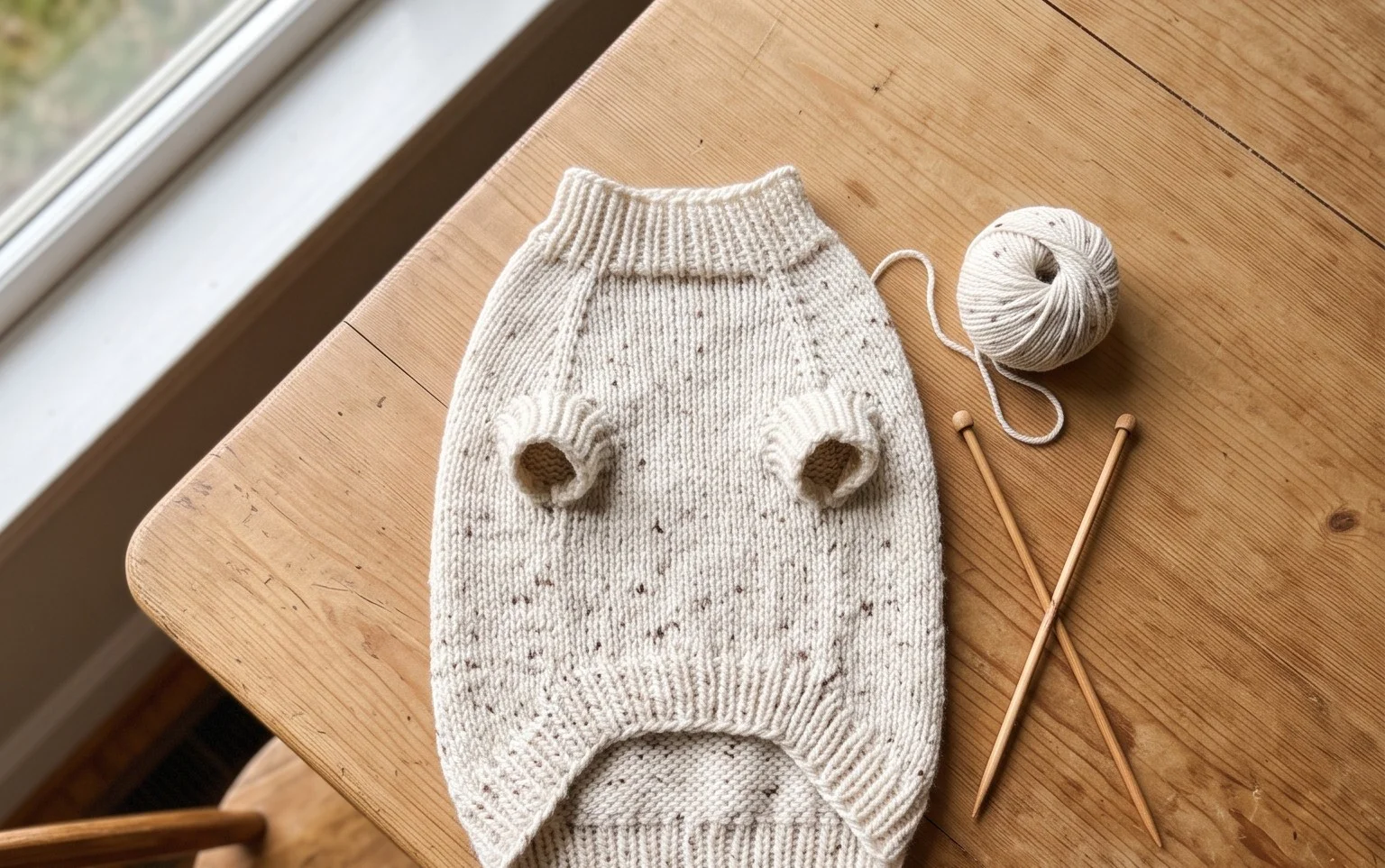
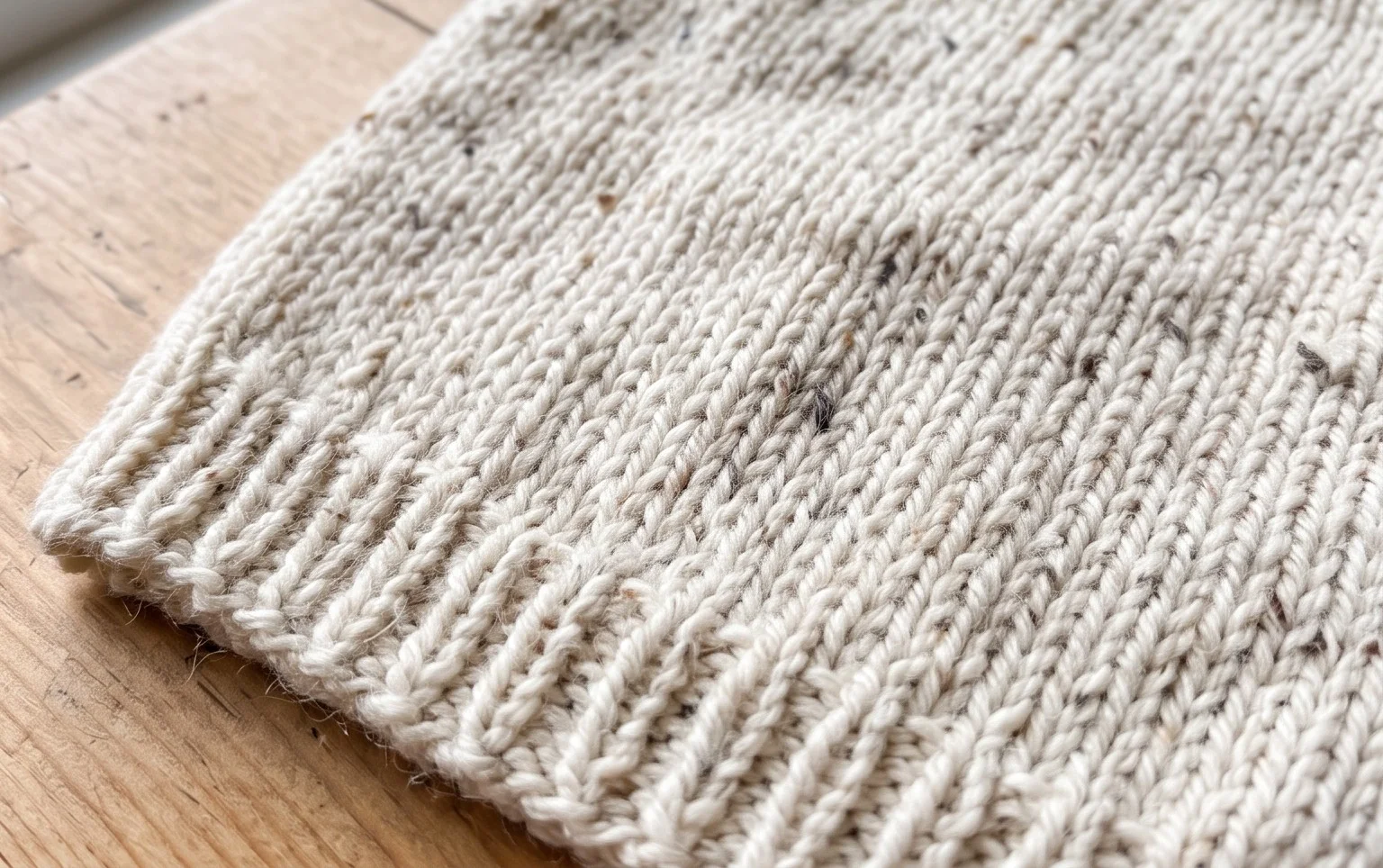
Soft wool keeps a chilly pup warm during brisk morning walks, especially when the sweater fits without bulky seams that irritate sensitive skin. This project uses a basic stitch pattern that creates a flexible, durable fabric capable of moving with an active dog. Beginners find the construction straightforward because it avoids complicated assembly or tricky joining techniques. The design results in a snug, professional-looking garment that sits comfortably around the chest and neck. Following along with the video tutorial helps clarify how to transition between sections for a smooth fit, making this a rewarding project for any maker.
Why You’ll Love This Pattern
The Classic Crochet Dishcloth is a functional staple that works up quickly using simple, meditative stitches. This design relies on a textured grid that excels at scrubbing dishes while remaining soft enough for delicate glassware. Because it requires only a small amount of cotton yarn, it is an ideal project for clearing out leftover remnants from larger projects. Most beginners find the consistent rhythm of the moss stitch highly satisfying, as it creates a dense, non-stretchy fabric that holds its shape through repeated use and heavy-duty scrubbing.
I finally finished my first dishcloth after struggling with other patterns for weeks. The instructions were clear and the final product is so much more absorbent than the store-bought ones I usually use.
— Sarah, home crafter
Pattern Overview & Skill Level
- Skill Level: Beginner
- Approximate Time: 1 to 1.5 hours
- Construction: Worked in flat rows using a moss stitch (ch 1, sk 1)
- Finished Dimensions & Sizing: Approximately 8 by 8 inches
Materials & Supplies Needed
- Yarn: Worsted weight (#4) 100% cotton yarn, approximately 45 yards. Cotton is necessary for heat resistance and absorbency.
- Hook Size: 5.0 mm (H-8) crochet hook.
- Notions: Tapestry needle for weaving in ends, scissors, and a measuring tape.
- Safe yarn substitutions: Use acrylic-cotton blends if you prefer a softer feel, though 100% cotton provides the best scrubbing friction. Note that synthetic fibers may melt if used on hot pans.
Stitch Guide & Abbreviations (US Terms)
- ch = chain
- st/sts = stitch/stitches
- sc = single crochet
- sk = skip
- Moss Stitch: A pattern sequence created by alternating single crochet and chain stitches, placing the single crochet into the chain space of the previous row.
Step-by-Step Pattern Instructions
Dishcloth Body
Foundation: Ch 32.
- Row 1: Sc in the 4th ch from the hook. *Ch 1, sk 1 ch, sc in the next ch. Repeat from * across. Turn. (15 sc, 15 ch-1 spaces).
- Row 2: Ch 2 (counts as ch 1 and skip 1). Sc in the first ch-1 space. *Ch 1, sk 1 sc, sc in the next ch-1 space. Repeat from * across, ending with a sc in the turning ch space. Turn. (15 sc, 15 ch-1 spaces).
- Rows 3-30: Repeat Row 2 until the piece forms a square approximately 8 inches tall.
Finishing
After completing Row 30, fasten off the yarn by pulling the tail through the final loop. Use a tapestry needle to weave the yarn tail securely into the back of the stitches to prevent fraying during washing. Trim any excess yarn close to the surface of the fabric.
Care & Washing Instructions
- Machine wash in warm water on a gentle cycle to preserve the fiber structure.
- Lay the dishcloth flat on a clean towel to air dry, reshaping it into a square while damp to ensure it lies flat.
- Avoid using heavy fabric softeners, as these leave a coating that reduces the absorbency of the cotton.
Pro Tips & Common Mistakes to Avoid
Maintaining consistent tension is the most important factor in keeping your dishcloth edges straight. If you find your edges are curling, try going up a half-size in hook diameter to loosen your stitches. Always use a stitch marker on the first stitch of every row to ensure you do not accidentally skip the final chain space, which is a common error that leads to a lopsided, triangular shape. You can easily adjust the size of the finished cloth by chaining an even number of stitches at the start; however, keep in mind that a larger cloth will require more than the recommended 45 yards of yarn.
Frequently Asked Questions
Can I use a different yarn weight for this pattern?
Yes, but you must adjust your starting chain length to match your desired width. A lighter yarn will require more stitches and rows, while a heavier yarn will result in a thicker, bulkier cloth that may take longer to dry.
Is this pattern suitable for someone who has never crocheted before?
Absolutely. The moss stitch only requires knowledge of how to chain and single crochet. It is a forgiving pattern that provides excellent practice for learning how to identify chain spaces.
Am I allowed to sell the dishcloths I make using this guide?
Yes, you may sell finished items made from this pattern. Please credit the design to this tutorial when selling online or at craft markets.
How do I keep my edges from becoming uneven?
The most effective way to maintain straight edges is to count your stitches at the end of every row. You should always end with a single crochet in the final space created by the turning chain of the row below.
Seeing your pup stay cozy in a handmade sweater is a rewarding experience that makes the hours of stitching worthwhile. You might try using a vibrant variegated yarn to add a splash of color or adjusting the length for a smaller breed. Posting a photo of your finished work helps other makers see how the fit turns out in different sizes. Feel free to browse through the rest of the collection on the blog to find more projects that help you practice new techniques. Your next favorite garment is just a few skeins away.